
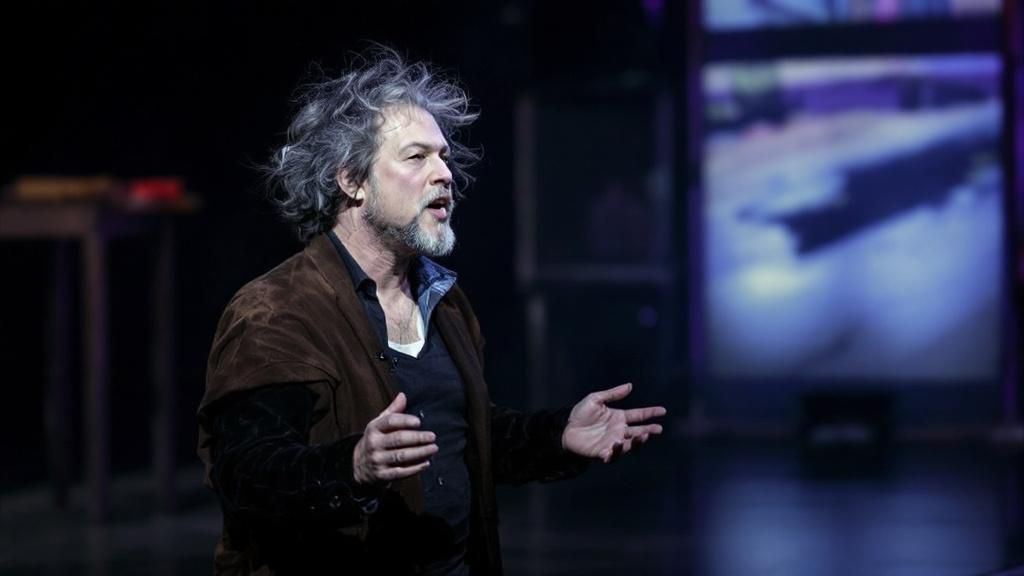
The National Theatre has introduced an extensive programme intended to democratise access to classical drama throughout the United Kingdom. This groundbreaking initiative seeks to bring world-class theatrical productions to audiences far outside London’s West End, making certain that audiences in provincial and neglected regions can witness Shakespeare, Chekhov, and current renderings of timeless classics. Through innovative touring schemes, digital platforms, and collaborative partnerships, the theatre is fundamentally reshaping how Britain engages with dramatic literature, rendering excellent productions an entitlement rather than a privilege.
Opening Up Access to World-Class Theatre to World-Class Theatre
The National Theatre’s programme represents a fundamental change in how traditional theatre reaches patrons across the Britain. By overcoming distance limitations and financial constraints, the initiative guarantees that groups in rural areas and deprived regions can enjoy shows previously reserved for London’s elite venues. This dedication to accessibility reflects a core conviction that theatrical excellence should not be governed by location or spending power, but rather allocated equally across all people independent of their situations.
Through strategic partnerships with regional theatre venues, academic organisations, and local arts organisations, the National Theatre is developing sustainable channels for access to classical works. The initiative encompasses touring productions, discounted ticket programmes, and community-led adaptations that encourage local participation and cultural stewardship. By fostering these collaborative relationships, the theatre transforms from a singular London institution into a dispersed system of cultural achievement, ensuring that the life-changing influence of drama becomes genuinely accessible to theatre-goers across the country.
Technological Innovation and Community Partnerships
The National Theatre’s approach relies on state-of-the-art technology to extend its reach across the nation. By utilising streaming services and online productions, the institution provides concurrent viewing to performances for audiences who cannot visit physically. This digital framework democratises cultural participation, allowing viewers from Cornwall to the Scottish Highlands to access premier productions from home. The initiative also includes engaging online tools, instructional content, and behind-the-scenes content, enriching the theatrical experience beyond conventional live theatre and encouraging greater involvement with traditional theatrical works.
Equally important are the strategic partnerships established with regional theatre organisations, local authorities, and grassroots organisations within the United Kingdom. These working relationships enable productions appeal to diverse audiences whilst supporting community cultural foundations. The National Theatre provides financial support, specialist knowledge, and creative guidance to partnering organisations, building enduring cultural frameworks in underrepresented areas. By partnering with local institutions rather than enforcing London-based criteria, the initiative acknowledges regional identities whilst maintaining creative quality. This collaborative framework transforms classical drama into a genuinely nationwide endeavour, rooting theatrical culture across communities and creating permanent cultural impact.
Influence and Long-Term Outlook
The initiative’s effect goes well past mere attendance figures, profoundly changing cultural participation throughout the country. Regional theatre venues report record engagement figures, with theatre-goers uncovering fresh appreciation for traditional theatre pieces formerly considered inaccessible. Regions without theatrical infrastructure now experience stage performances, educational workshops, and behind-the-scenes insights. This democratisation fosters a wider cultural landscape, motivating younger generations to participate in stage drama as a key element of their educational and social development.
Looking ahead, the National Theatre envisions continued development of this groundbreaking scheme throughout the following decade. Planned capital allocation in online platforms are set to broaden reach, allowing live streaming and on-demand access to archived productions. Partnerships with academic bodies will incorporate classical drama within classroom teaching, cultivating lifelong appreciation for stage performance. The initiative represents a watershed moment, setting the idea that outstanding theatre productions represent a fundamental cultural right rather than an advantage restricted to the capital.
As this pioneering programme keeps developing, its success hinges on sustained funding, public participation, and collaborative partnerships. The National Theatre is dedicated to evaluating effectiveness through public response, participation rates, and educational outcomes, guaranteeing responsibility and ongoing development. This groundbreaking programme represents a profound shift in British cultural values, demonstrating that traditional theatre belongs to everyone.
